The power source is probably the most defining decision when you equip a forklift. It shapes the running cost, how well the truck fits your working environment, machine availability, and even operator comfort. Diesel, LPG, or electric: none of the three is best in the abstract, each suits a particular use profile. To settle the question, start from your real constraints, namely where the truck works, how many hours a day, what loads, and within what budget. This guide walks through the three power sources and the practical criteria that lead to the right choice.
In short: pick electric for mostly indoor work, diesel for intensive outdoor use focused on heavy loads, and LPG for a mixed site that alternates between warehouse and yard. The decision rests on four parameters: the working environment, the intensity of use, the weight of the loads, and the total cost. Over the long run, electric is often the most economical thanks to reduced maintenance and cheaper energy. This article is part of our complete forklift guide, which covers the whole equipment decision.
Electric: clean, quiet, ideal indoors
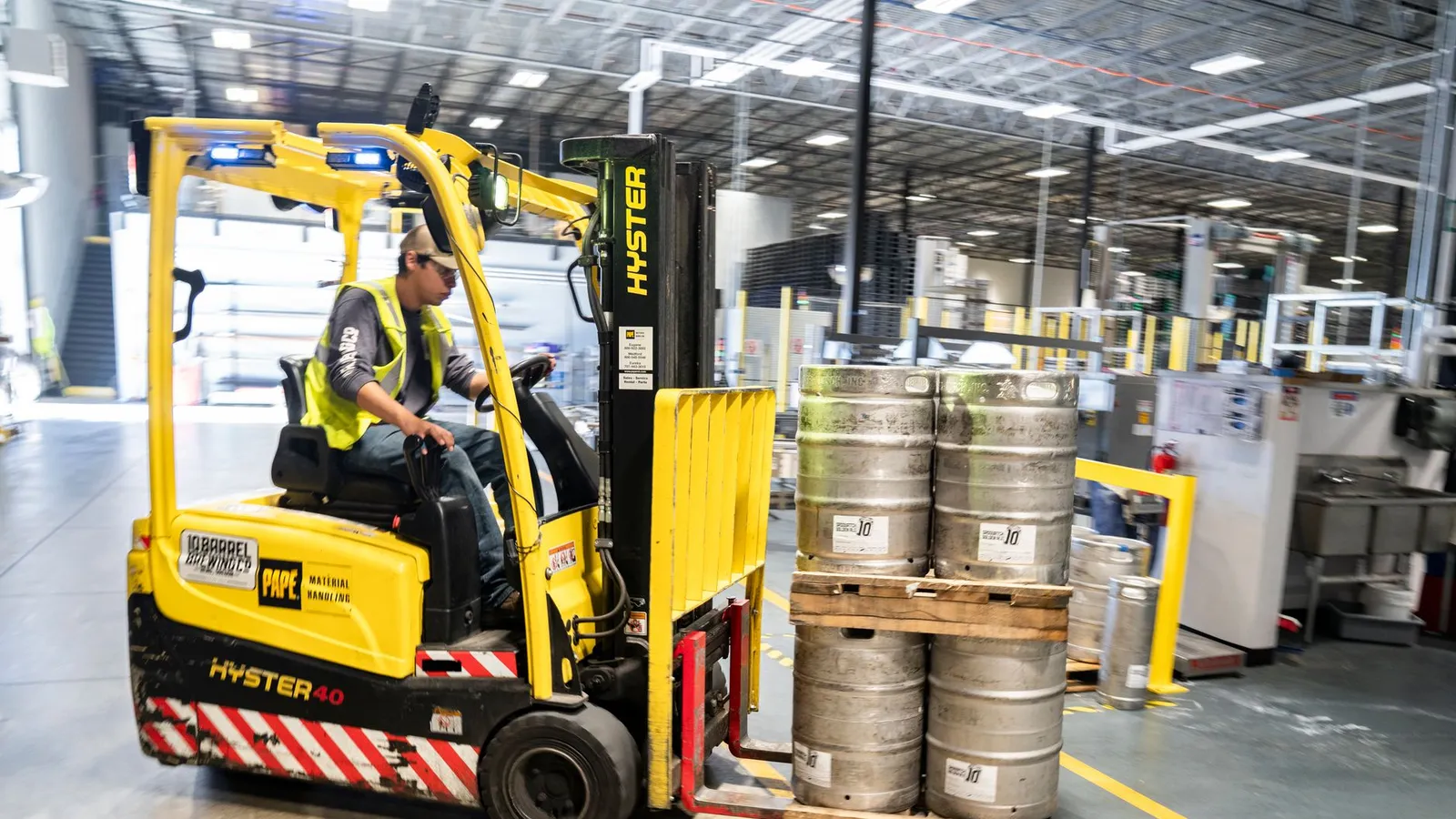
An electric forklift produces no tailpipe emissions and runs almost silently. Those two qualities make it the reference for indoor work: logistics warehouses, food processing, retail, and any space where air quality and noise level matter. Its non-marking wheels protect resin or polished concrete floors, and its low center of gravity gives it good stability.
Over time, the running cost is generally lower: electricity costs less than fuel, and the simpler drivetrain needs less maintenance. In return, you have to plan for charging time and put a battery strategy in place: a ventilated charging area, a spare battery, or lithium technology for sites running multiple shifts. For single-shift use with breaks, an electric truck covers the day without trouble.
Diesel: power and robustness outdoors
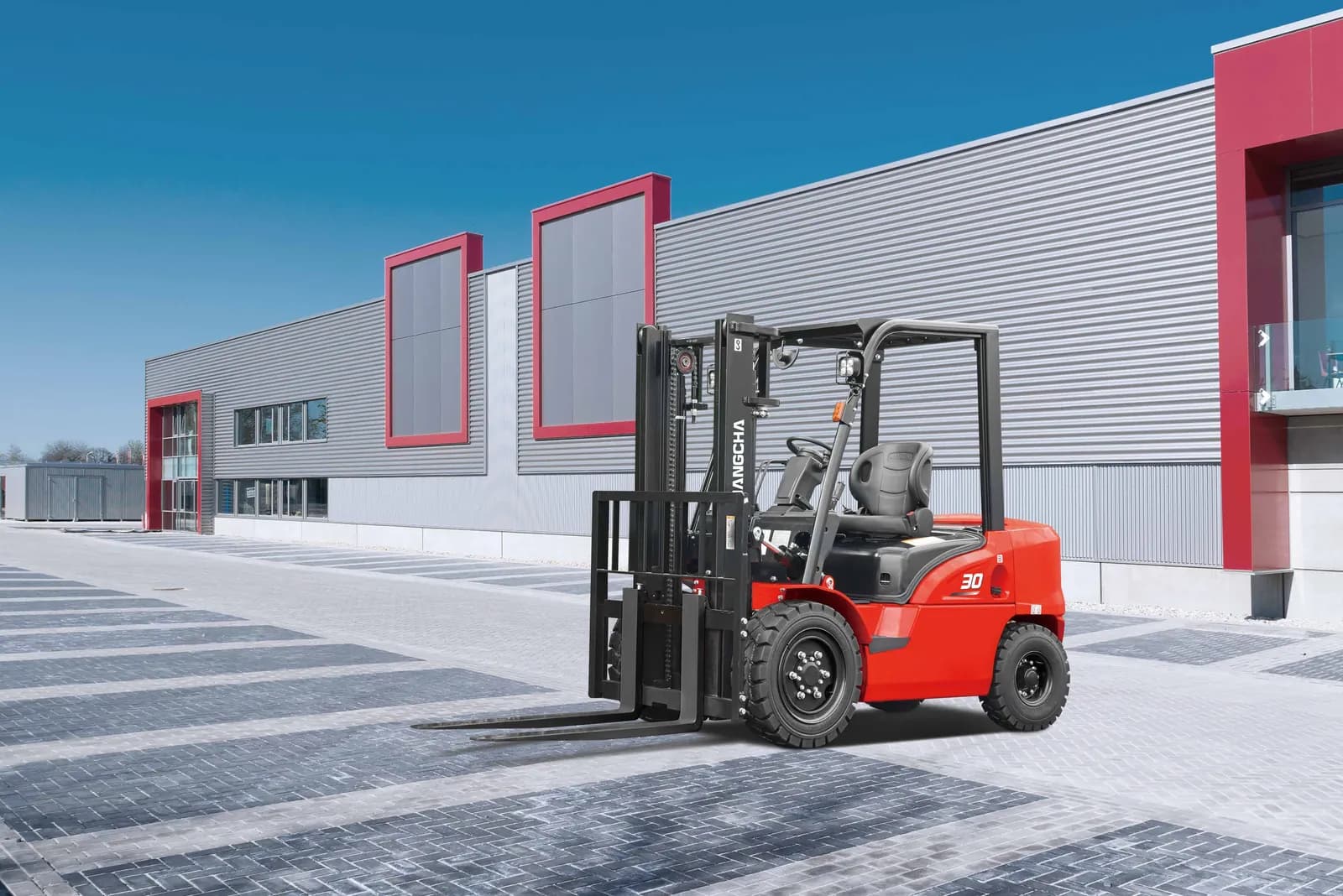
A diesel forklift delivers power and torque that are hard to match, especially well suited to heavy loads, slopes, and rough ground. Before targeting a power source for those loads, check what the machine can actually lift by reading our article on load capacity and the load plate. It is the machine for outdoor yards, construction sites, ports, and surfaces that are far from perfect. Refueling takes minutes, which maximizes availability on intensive rotations, and the rugged drivetrain copes well with demanding conditions.
The downside is well known: exhaust emissions and noise rule out use in enclosed indoor spaces, particularly in food handling or near the public. Diesel therefore remains the right call when the work is mostly outdoors, intensive, and focused on heavy loads.
LPG: the versatile middle ground
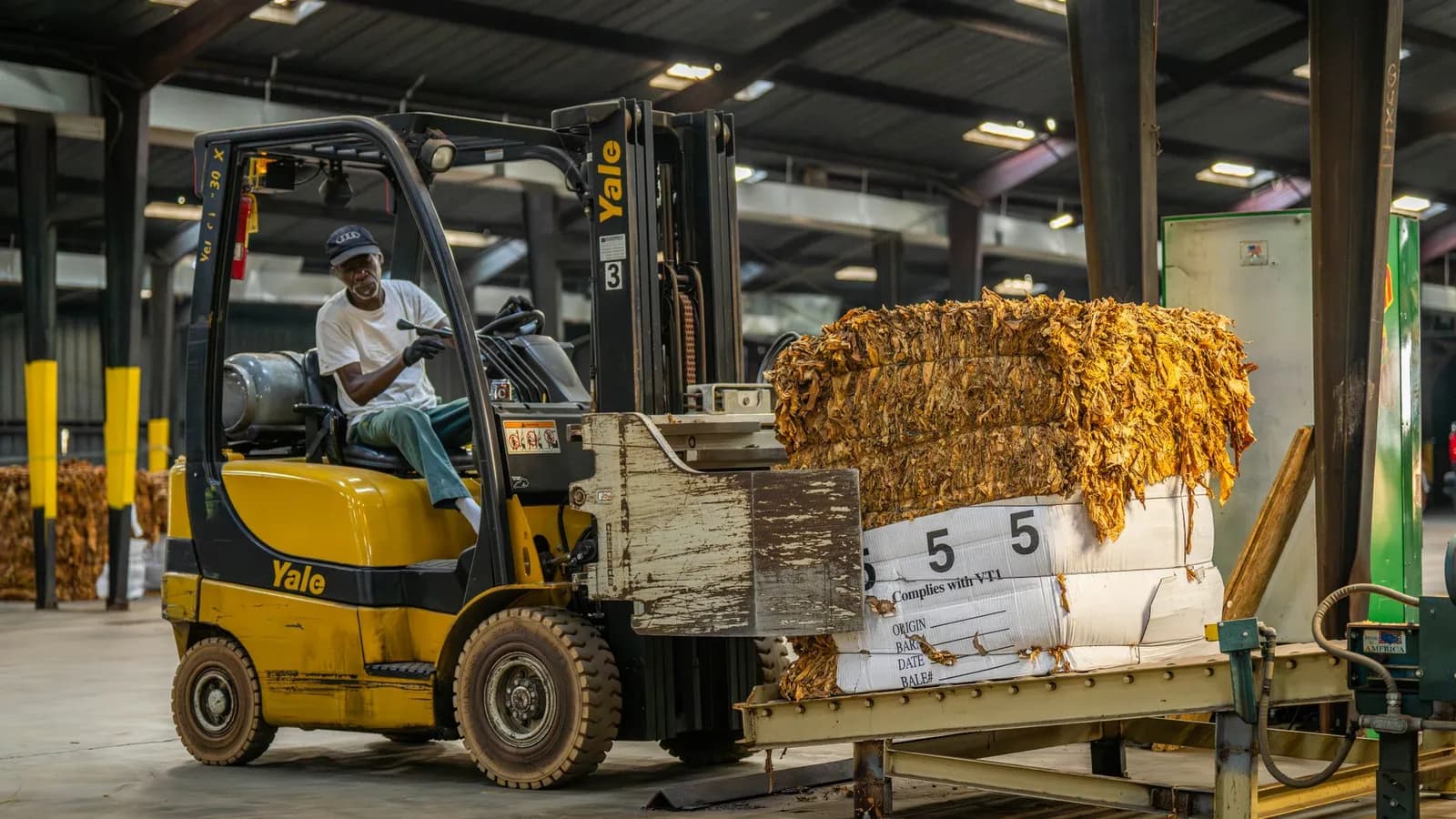
An LPG forklift (liquefied petroleum gas) occupies a useful middle ground. Cleaner than diesel, it emits fewer particulates and runs in properly ventilated spaces while staying comfortable outdoors. It is the solution for mixed sites, where the truck moves between the warehouse and the yard throughout the day.
Like diesel, it refuels fast: you swap the gas bottle in a few minutes, with no charging downtime. In return, you have to manage bottle storage and rotation, and ventilation remains essential indoors. For anyone seeking versatility without a charging constraint, LPG is often the right compromise.
How to decide based on your use
The decision rests on four parameters: the working environment, the intensity of use, the weight of the loads, and the total cost. Mostly indoor work points to electric; intensive, heavy outdoor use points to diesel; a mixed profile points to LPG. For very high loads, an engine-driven truck keeps the edge. Over the long run, electric is often the most economical thanks to reduced maintenance and cheaper energy.
| Power source | Best environment | Key strength | Watch-out | | --- | --- | --- | --- | | Electric | Indoors, food handling, retail | Zero emissions, low running cost | Charging time, battery plan | | Diesel | Outdoors, heavy loads, rough ground | Power, fast refuel, robustness | Emissions and noise, not for indoors | | LPG | Mixed ventilated indoor and outdoor sites | Versatility, fast refueling | Bottle handling, ventilation |
Beyond the purchase price, think in terms of total cost: fuel or electricity, maintenance, battery life, and machine availability weigh as much as the initial invoice. An audit of your real work cycle keeps you from oversizing or picking the wrong energy.
Getting it right with ground-level advice
The best power source is the one that fits your operation, not the one that looks most modern on paper. Describing your environment, your hours, your loads, and your budget precisely is usually enough to point the choice toward the right energy. A conversation with a technician lets you compare costed scenarios and avoid bad surprises, whether you are looking at a new purchase, a checked used forklift, or a rental sized for a peak in activity. If the call between buying and renting is still open, our comparison on renting or buying a forklift lays out both options, and forklift rental in Casablanca is a sensible way to test a power source before committing to it. Whichever power source you settle on, you can describe your need through our rental and sales options for a costed recommendation.
Frequently asked questions
Which power source should I choose for indoor work?
Electric is the reference indoors: it produces no tailpipe emissions, runs almost silently, and its non-marking wheels protect the floors. It is the indicated choice for logistics warehouses, food processing, and retail.
Can a diesel forklift be used indoors?
No, its exhaust emissions and noise level rule out use in enclosed indoor spaces, particularly in food handling or near the public. Diesel remains the right call for work that is mostly outdoors, intensive, and focused on heavy loads.
When is LPG the better option?
LPG occupies a useful middle ground: cleaner than diesel, it runs in properly ventilated spaces while staying comfortable outdoors. It is the solution for mixed sites, where the truck moves between the warehouse and the yard throughout the day.
Which energy is the most economical over time?
Over time, electric is often the most economical: electricity costs less than fuel, and the simpler drivetrain needs less maintenance. Beyond the purchase price, think in terms of total cost, which includes fuel or electricity, maintenance, battery life, and machine availability.
Not sure which power source fits? Request a free needs assessment.